NFT · How-to
How to Lock an NFT on Drops to Take Out a Loan (2026 Guide)
Drops is an Ethereum NFT lending protocol where you can lock an NFT as collateral and borrow ETH against it. This guide explains the steps, the loan terms to compare, what happens if you cannot repay, and the security checks to make first.
By the DappsAtlas editorial team · Updated
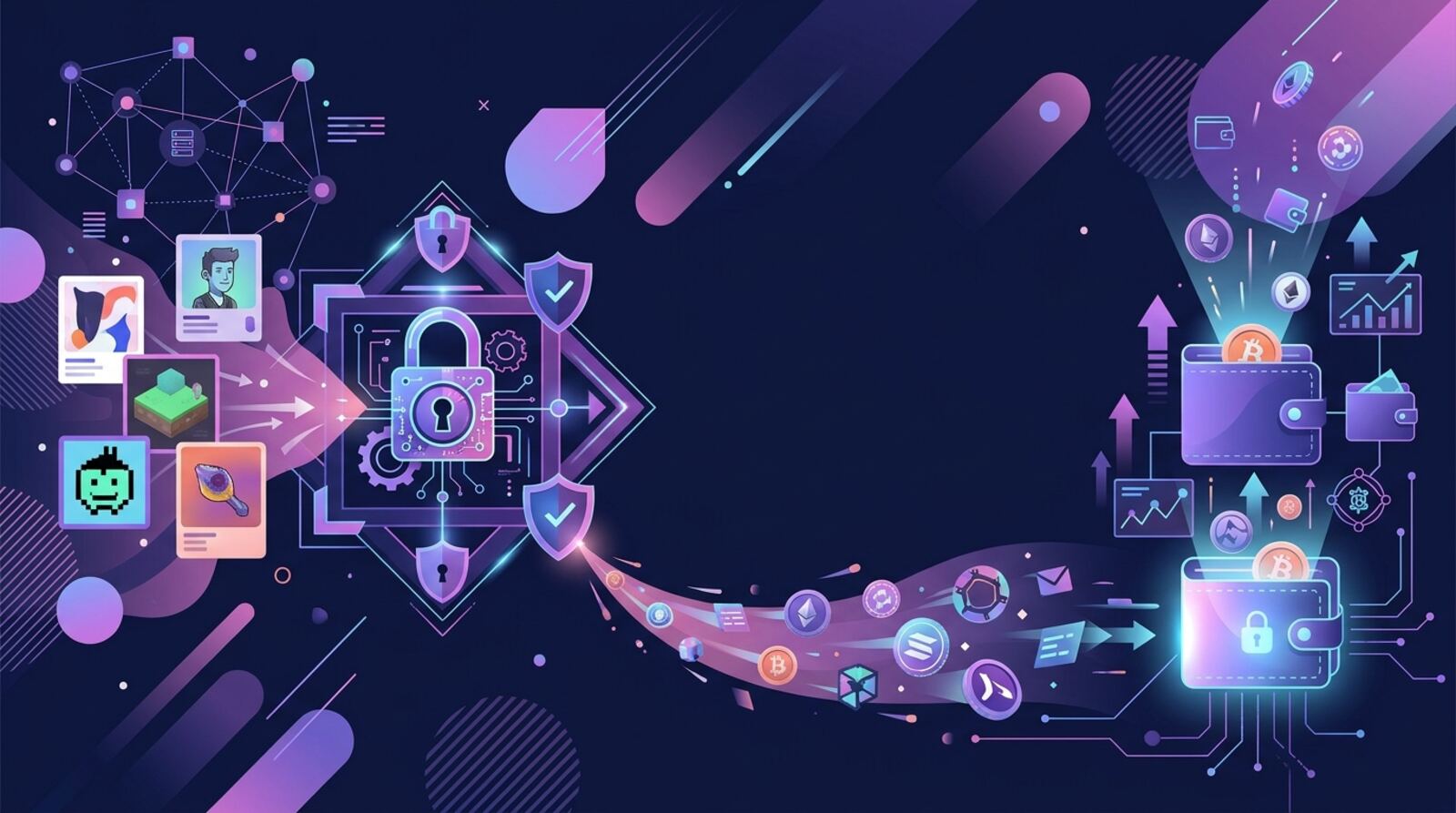
What NFT lending on Drops means
NFT lending lets you borrow crypto using an NFT you own as collateral. You do not sell the NFT. Instead, you transfer it to a lending contract, which holds it while the loan is open. When you repay the principal and any fees before the deadline, the contract returns the NFT to your wallet.
Drops is an Ethereum NFT lending protocol with its own DOP token. It is a small protocol, and public DeFi dashboards show a very small amount of value locked in it. That matters because a small market can mean fewer lenders, slower loan matches and less liquidity if you want to exit early.
The basic model is the same across most NFT lending protocols. The borrower chooses a collateral NFT, a lender offers funds against it, and both parties agree on amount, term and repayment. Some platforms use fixed offers from lenders, while others use peer-to-peer requests. The exact flow on Drops can change, so treat the steps in this guide as a general map and confirm each screen on the protocol's current pages.
The main trade-off is simple. You get liquidity without selling an asset you may want to keep, but you take on repayment pressure, fees and the risk of losing the NFT if the loan is not repaid.
What you need before you lock an NFT
Before you start, gather what you need and check the basics.
- An Ethereum wallet that supports the protocol, with the NFT you want to use as collateral
- Enough ETH to pay network gas fees for each transaction, including the approval, the lock and any later repayment or withdrawal
- A clear plan for where the borrowed funds will go and how you will repay them
- The repayment amount in ETH or the relevant token, not only the amount you receive
Check whether the NFT is eligible. Lending protocols often accept only certain collections, and some assets may be rejected or valued low. Look at the recent sales history of the collection to understand how stable its price has been. A collection with thin trading or sharp swings is harder to value as collateral.
Also decide how much you are willing to lose. If the NFT is something you cannot afford to lose, an NFT loan may not be suitable. Gambling-style speculation with borrowed funds is a poor match for this kind of product. Check your local laws on crypto lending and borrowing before you commit, because rules differ by country and some activity may be restricted.
Step by step: lock your NFT and take out a loan
The steps below describe the general sequence. Confirm each one on the protocol's current interface, since button names and screens can change.
- Connect your wallet to the official Drops site. Type the address yourself or use a bookmark you saved earlier.
- Choose the NFT you want to lock. Review the valuation or offer details the protocol shows for that asset.
- Approve the NFT for the lending contract. This is a separate transaction from the loan itself. Read what the approval allows before you sign it.
- Pick a loan offer or create a request. Compare the amount, term, interest or fee and the repayment deadline.
- Confirm the lock transaction. Your NFT moves into the contract as collateral.
- Receive the loan funds once the offer is matched and the transaction is confirmed.
- Save the loan details, including the due date, the repayment amount and the transaction hashes, in a note you control.
After the loan is open, avoid moving the collateral or changing wallets without a clear reason. Keep enough ETH in the wallet to cover the repayment and gas fees later. If anything on the screen differs from what this guide describes, stop and verify it through the official channels before continuing.
How to read loan terms before you accept
Each loan offer should be read as a contract, not a headline number. Compare these items before you accept.
| Item | What to check |
|---|---|
| Loan amount | How much you receive compared with the NFT's assessed value |
| Repayment amount | The total you must return, including interest and fees |
| Term | The deadline, and whether early repayment is allowed |
| Fees | Any origination, platform or gas costs beyond the stated rate |
| Default rules | What happens if you miss the deadline |
| Collateral status | Whether the NFT is held in escrow or another arrangement |
A larger loan against the same NFT leaves less safety margin. If the collection's price falls, the protocol's valuation may fall with it, and the gap between the loan and the collateral can make repayment or default more likely. Choose an amount you could repay even if the market moves against you.
Read the term length carefully. Short terms can mean higher repayment pressure, while longer terms can mean paying more total interest. Check whether the offer lets you repay early and whether early repayment changes the fee.
If you cannot find a clear description of the terms on the protocol's pages, do not accept the offer. Clear, readable terms are a basic requirement for any lending product.
Repaying the loan and getting your NFT back
To repay, send the full repayment amount before the deadline. Make sure you send it from the wallet that holds the loan, or check the protocol's current instructions for which address must repay. Keep in mind that gas fees apply to the repayment transaction too.
Once the repayment is confirmed on chain, the protocol should release the NFT back to your wallet. Some protocols require a separate withdrawal or claim step, so check the screens after repayment and confirm the NFT appears in your wallet before you consider the loan closed.
Give yourself a margin before the deadline. Network congestion, a wrong amount or a missed confirmation can cause problems if you wait until the last hour. Schedule the repayment with time to spare, and keep the transaction confirmation for your records.
If you want to close the loan early, check whether early repayment is allowed and whether it changes the total due. Some offers include a minimum interest period, which means early repayment saves less than expected.
What happens if you cannot repay
A default happens when the loan is not repaid by the deadline. Under standard NFT lending terms, the lender may be able to claim the collateral NFT. In that case, the loan can end with you losing the NFT, even if its market price is higher than the amount you borrowed.
This is one reason NFT loans carry more risk than they may first appear. Unlike a loan secured by cash, the collateral's value can drop quickly. The protocol's valuation may lag the market, and an illiquid collection can be hard to sell at a fair price.
Before you borrow, write down the exact default rules from the protocol's current terms. Note the deadline, any grace period, whether the lender must act to claim the NFT, and whether you can still repay after the deadline.
If you see signs you may not repay on time, look at your options early. Some borrowers repay with funds from another source, while others accept the loss of the NFT. Waiting until the deadline removes choices, so plan the exit before it arrives.
The main risks of borrowing against an NFT
NFT lending has several separate risks. Understanding each one helps you decide whether the trade-off makes sense.
- Price risk: the collection's floor price can fall, reducing the value of your collateral and making default more likely.
- Liquidity risk: a small protocol with low activity may have few lenders, slow matches and limited exit options.
- Smart contract risk: code bugs or exploits can cause loss of funds or collateral. Audits lower this risk but do not remove it.
- Token risk: if you hold or earn the protocol's token, its value can fall sharply and may not be liquid.
- Repayment risk: changes in your own finances can make the deadline hard to meet.
- Valuation risk: the protocol's price for your NFT may differ from what buyers would pay on a marketplace.
For a small protocol, smart contract and liquidity risk deserve special attention. Check whether the code has been reviewed by a recognised auditor, and whether the protocol has a track record of operating without incidents. Remember that a lack of news is not the same as proof of safety.
Treat any loan as money you could lose. Do not borrow more than you can afford to repay or lose.
Security checks before you connect your wallet
Security mistakes are a common way people lose NFTs and funds in lending. Use these defensive habits.
- Type the protocol's address yourself or use a saved bookmark. Do not rely on search ads or links in direct messages.
- Check the URL carefully for small spelling changes, extra characters or unusual domains.
- Never share your seed phrase or private key with anyone, including people claiming to be support staff.
- Read every transaction request in your wallet before signing. Be cautious of requests that grant broad, unlimited token permissions when a narrower approval would do.
- Revoke approvals you no longer need using a reputable wallet approval tool, especially after a loan closes.
- Be wary of a token also labelled DROPS on some listings. Its purpose and team are not clearly established, so confirm you are dealing with the correct contract address for the Drops protocol and DOP token before interacting with anything.
- Use a hardware wallet for larger positions where your setup supports it.
If you suspect a phishing site or a malicious approval, disconnect the wallet from the site, revoke the approval and move any remaining assets to a new wallet you control. Report the incident through the official support channels you have verified independently.
What to check on Drops right now
Because lending activity and token prices change often, do not rely on a fixed figure from an older article. Check the current position directly.
- Protocol activity and total value locked: use public DeFi dashboards that track lending protocols on Ethereum, and compare readings over several weeks rather than a single day.
- Current loan terms: read the live offer details on the protocol's official pages each time you borrow.
- Token information: check the DOP token's contract address against the protocol's official documentation, and confirm circulating supply and trading venues through established data sources.
- Audit status: look for the audit reports the protocol publishes, and note the date and scope of each report.
- Governance or updates: check the protocol's official announcements for changes to collateral rules, fees or default terms.
Keep a short log of what you checked and when. If a figure you see differs sharply from the official documentation, treat that as a reason to pause and verify further.
Alternatives to Drops and when to choose them
Drops is not the only option for NFT loans. Other lending platforms, including NFTfi and Arcade, are named in current industry coverage as places where NFT owners can borrow against their assets. Compare them on the same criteria: collateral eligibility, loan terms, default rules, audit status and the size of the active market.
A larger market can give you more lender choice and better price discovery, but it also brings more competition and sometimes more complex terms. A smaller protocol may offer fewer options and less liquidity. Neither is automatically better. Choose based on the terms you can verify and the risks you accept.
If your goal is simply to exit an NFT position, selling on a marketplace may be simpler than borrowing. Marketplaces such as OpenSea and others in the NFT sector let you list an NFT for sale, which avoids repayment deadlines and default risk, though you may receive less than the NFT's long-term value.
If you want to provide liquidity rather than borrow, you will need to learn the mechanics of NFT pools and automated market makers, which carry their own risks such as impermanent loss.
A checklist before you borrow
Before you lock an NFT on Drops, check this list.
- I understand that the NFT will be held as collateral and can be claimed if I do not repay.
- I have compared the total repayment amount, term, fees and default rules.
- I have a repayment plan with funds set aside for both the loan and gas fees.
- I have confirmed the protocol's official address and the correct contract.
- I have read each transaction request and will revoke unused approvals later.
- I have checked local laws on crypto lending and borrowing where I live.
- I can afford to lose the NFT and the borrowed value if the market moves against me.
NFT lending can be a tool for accessing liquidity without selling, but it is a financial product with real downside. Take the time to read the current terms, verify the protocol, and keep the loan small enough that a bad outcome is survivable.
Frequently asked questions
Do I lose my NFT when I take out a loan on Drops?
Usually not in the sense of selling it. The NFT is held by the lending contract as collateral while the loan is open. If you repay the loan and its fees within the agreed term, the NFT is released back to your wallet.
What happens if I do not repay on time?
If the loan is not repaid by the deadline, the lender may be able to claim the NFT under the protocol's terms. The loan can end with you losing the collateral even if its market price is higher than what you borrowed. Read the default rules on the protocol's current pages before accepting an offer.
How much does a loan on Drops cost?
Interest and fees are set per loan by the offer terms, so no single figure applies to every loan. Compare the total repayment amount, the term length and any fees for each offer, and check current rates on the protocol's own pages rather than relying on older guides.
Is Drops a large lending platform?
Drops is a small protocol with a low amount of value locked, according to public DeFi dashboards. Low liquidity can mean fewer lenders, slower matches and harder exits. Check current activity on those dashboards before you rely on the protocol for a loan.
How do I avoid fake Drops sites and scam contracts?
Confirm that the site address is the protocol's official one by checking it from a source you trust, not from a link in a message or advert. Never sign a transaction you do not understand, and revoke token approvals you no longer need using a reputable wallet approval tool.
Mentioned in this guide
dApps in this guide
DropsTab is a crypto market dashboard for tracking prices, token events, research, and portfolios.
OpenSea is a peer-to-peer NFT marketplace for buying, selling and minting digital collectibles, aimed at collectors, creators and developers.
NFTX turns NFT collections into vault-backed ERC20 tokens so users can buy and sell NFTs instantly at floor price against a pool.
NFT20 is an Ethereum NFT dex and protocol that turns NFTs into ERC20 pool tokens so collections can be swapped and traded on decentralized exchanges.
Sudoswap V2 is a decentralized NFT marketplace on Ethereum, Base, Berachain and Arbitrum with on-chain royalties and ERC-1155 support, for NFT traders.
Caviar V1 is an Ethereum NFT automated market maker for swapping ERC20 tokens and NFTs through pools, aimed at NFT traders and liquidity providers.
Current is a Sui-based lending protocol with isolated markets and one-click yield multiply, focused on tokenized real-economy yield.
NFTfi was a peer-to-peer NFT lending protocol on Ethereum that has shut down; open loans can still be settled directly on-chain.
Save, formerly Solend, is a Solana lending and borrowing protocol where users earn interest on deposits or borrow against collateral.
Keep reading
Related guides
NFT · Explainer
NFT Worlds Land at 10 ETH: What Happened and How to Judge Drops
NFT Worlds drew attention in 2022 when its land NFTs reached a reported floor price near 10 ETH. This explainer covers what the project was, what changed after the Minecraft NFT ban, and how to judge land and avatar drops before you spend anything.
NFT · How-to
How to Estimate an NFT's Value in 2026: A Practical Guide
An NFT value estimate is a range built from recent sales, live listings, bids, rarity and liquidity, not a single price. This guide walks through a repeatable method you can run on any collection before you buy, sell or price art.
NFT · Explainer
What Is NFT Swapping? A 2026 Guide to Methods and Risks
NFT swapping means exchanging one NFT for another, or for a fungible token, without first selling it for cash. This guide explains the main swap methods, how each one works, and the risks that matter most before you sign anything.
NFT · Explainer
Sombra NFT Buyback Smart Contracts Explained for 2026
An NFT buyback smart contract is a public contract that offers to buy NFTs from holders at rules set in its code. This guide explains how these contracts work, what to check before relying on one, and how to verify a Sombra buyback program without relying on announcements alone.
NFT · Airdrop guide
LooksRare Daily Rewards for Trading and Staking in 2026
LooksRare paid traders and stakers in its LOOKS token, and the amounts changed over time as emissions were reduced. This guide explains how the daily reward systems worked, what their current status is, and how to check live rates and protect your wallet before you trade or stake.
NFT · Explainer
Litebringers One-Week Launch: What It Was and How to Check It
A one-week launch can be a short, intense event that leaves little public record behind. This guide explains how to confirm what a launch like Litebringers actually involved, how to check its current status, and what to verify before buying into any short NFT or token launch.
NFT · Airdrop guide
LooksRare LOOKS Airdrop Explained: Status, Eligibility and Safety
LooksRare handed out its LOOKS token to its community in January 2022, and the sources here do not confirm any new claim open today. This guide explains what that distribution was, how LOOKS rewards worked afterward, and how to check a claim safely before you connect a wallet.
NFT · Explainer
Litebringers Explosive Launch 2: A Guide to the One-Week Event
Litebringers Explosive Launch 2 was a one-week launch event. The sources available for this guide do not document its details, so this page covers what can be confirmed, how to verify the event's status, and how to handle any assets or claims from that week.