Web3 gaming · Explainer
Game Guilds in Web3 Gaming: Is the Model Sustainable in 2026?
Game guilds pooled capital to lend in-game assets to players, and their survival depends on whether those players' earnings come from real play or from new buyers joining. This explainer shows how guilds earn, where the model has struggled, and how to judge whether a guild is sustainable.
By the DappsAtlas editorial team · Updated
What is a game guild in Web3 gaming?
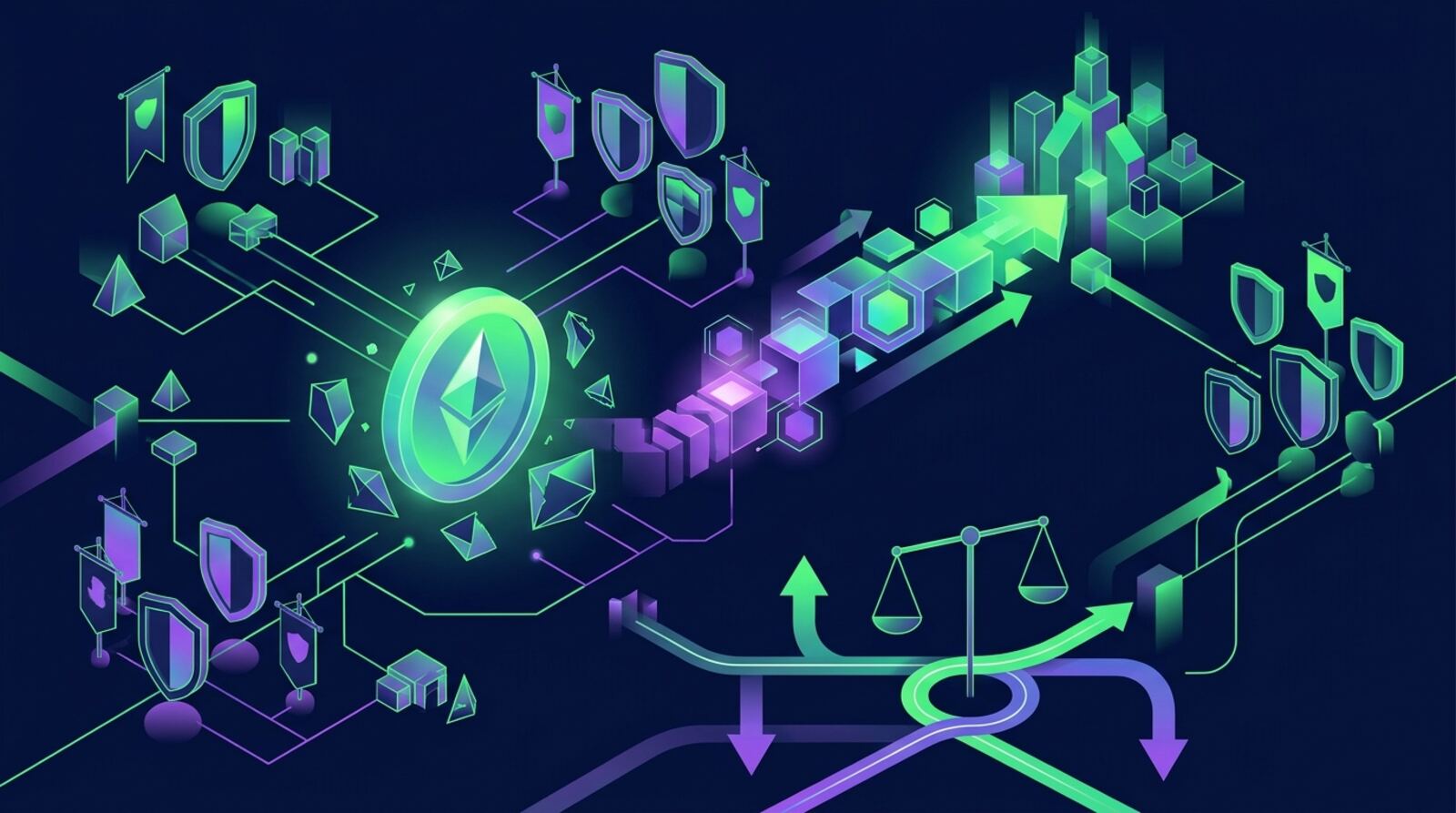
A game guild is an organization that acquires in-game assets, usually NFTs or game tokens, and makes them available to players who could not afford to start on their own. In early play-to-earn titles, a new player often needed to buy a set of creatures, characters or land before earning anything. A guild pooled capital to cover that cost, then shared the rewards with players under agreed terms.
Guilds also provide training, community chat and coordination. Many keep a shared treasury, controlled through a multisig wallet or a DAO vote.
Guilds are not all the same. Some are large, treasury-backed organizations that split into sub-groups, often called subDAOs, each focused on one game or region. Others are small community teams running a chat server and a shared wallet. Some esports rosters or in-game clans also use the word guild but hold no assets or tokens. Pixels has guild features inside its farming and exploration game, and Yield Guild Games is one of the best-known examples of the DAO model. Before judging a guild, identify which type it is, because the economics and risks differ widely.
How do game guilds make money?
Guilds have used several income sources, and each depends on something outside their control:
- Renting assets to players in exchange for a share of in-game earnings
- Earning rewards from assets the guild holds and deploys in games
- Taking a cut of marketplace fees or trades when assets change hands
- Staking governance or utility tokens held in the treasury
- Selling assets or tokens from the treasury when prices allow
- Partnerships with game studios, such as ecosystem grants or early-access arrangements
The durability of each source differs. Income that comes from new players buying in is the least durable, because it stops when new buyers stop arriving. Income tied to ongoing gameplay, such as genuine in-game fees or services a studio pays for, is generally more stable, though still exposed to a game losing popularity.
A useful habit is to ask what share of income would continue if token prices fell by half and new sign-ups paused. If the answer is very little, the guild depends heavily on market conditions rather than on a repeatable activity.
How does the scholarship model work for players?
The scholarship model lets a player use assets owned by a guild or manager. The scholar plays the game, and the rewards are split between the scholar and the guild according to an agreement. Splits vary widely between groups and games, and there is no single standard.
A typical arrangement works in four steps:
- The guild lends the scholar a set of assets, often held in a dedicated wallet.
- The scholar plays the game and collects rewards.
- Rewards are converted or paid out on a set schedule.
- The guild takes its agreed share and the scholar keeps the rest.
The risks sit mostly with the scholar. Earnings depend on token prices, game activity and how hard the game becomes. Rewards may be paid in volatile tokens, and the time spent playing may not translate into income if the economy shrinks. Agreements are sometimes informal, which makes disputes hard to resolve.
Before accepting a scholarship, get the split, payment timing, asset return conditions and what happens if the game changes its rewards in writing. Treat any promise of guaranteed income as a red flag.
Why did the play-to-earn model struggle?
Many early play-to-earn games paid rewards from token emissions, meaning new tokens were created to fund player income. This worked while new players kept arriving and buying in, because demand for entry assets and tokens supported prices. When inflows slowed and token prices fell, rewards shrank, and the economy depended on fresh buyers to stay afloat.
Guilds were exposed to this cycle in two ways. Some bought large amounts of assets at high prices and then saw their value collapse. Others earned mostly in the game's token, so their income fell along with its price. Guilds that depended on a single game were especially vulnerable when that game's activity declined.
The broader downturn in crypto markets from 2022 onward exposed these weaknesses across the sector. The lessons most often cited are:
- Rewards funded by new tokens need matching sinks, meaning uses that remove tokens from circulation
- Income should not depend on a single asset or single game
- Entry costs that rise with popularity can price out the players a game needs
- Guilds need reserves that can cover operating costs during downturns
Many projects have since moved toward designs where fun gameplay is the main reason to play, with rewards as a secondary feature. Whether that shift succeeds varies by title.
What is the current state of Yield Guild Games?
Yield Guild Games was one of the most prominent guild DAOs in the play-to-earn period. Based on current public information, the organization has moved beyond pure gaming. It now connects its community to AI companies for work such as human feedback, data labeling and model evaluation.
This change matters for anyone assessing guild sustainability. A guild that diversifies into different kinds of work may be less dependent on a single game economy, but it also raises new questions about how members are paid, what the work involves and how the organization's strategy is decided. Members should understand which activities they are taking part in and whether those activities are optional.
To check the current position, look at the organization's official announcements, its governance forum or voting records, and any treasury reporting it publishes. Compare those statements with what the organization says about its finances and member terms. Public information can change, so treat any summary, including this one, as a starting point rather than a final account.
How can you tell if a guild is financially healthy?
A healthy guild should be able to explain its finances in plain terms. Use the following checklist to test any guild before joining or giving it money:
- Income sources: Can it list where its money comes from, and how much depends on each source?
- Token dependence: How much of the treasury is held in its own or a single game's token?
- Treasury transparency: Are its wallets publicly viewable, and does it publish regular reports?
- Governance: Can members see proposals, votes and the people who control funds?
- Game health: Is the game it relies on still attracting active players?
- Written terms: Are splits, payment schedules and asset return conditions documented?
- Exit plan: What happens to members' assets if the guild closes or changes direction?
- Leadership: Are the people running the guild identifiable and accountable?
No single item decides the question. A guild with transparent accounts but a single volatile income stream may be fragile. A guild with diverse income but no written terms may be unfair to members. Look for consistency across all items.
What does sustainability mean for a game guild?
Sustainability is the ability to keep operating across market cycles, not just to earn money in a good month. For a game guild, it has three main dimensions.
Economic sustainability means revenue that does not rely on new entrants or rising token prices. It also means reserves large enough to survive a slow period without forcing members out or selling assets at poor prices.
Community sustainability means fair terms, low turnover and clear communication. A guild that keeps members for years usually has agreements they understand and a way to raise concerns. Members who feel misled tend to leave quickly, taking the guild's activity with them.
Operational sustainability means not depending on a single game, a single chain or a few key people. If one studio changes its rules, the guild should have a plan.
Environmental impact is a separate question. Many public discussions about sustainability in games focus on carbon footprints, workplace conditions or industry-wide initiatives rather than guild economics. Blockchain energy use depends on the network involved, and guilds rarely report their own energy figures, so readers may need to look beyond general industry coverage when assessing this part.
What risks should members understand before joining?
Joining a guild carries financial and security risks that are easy to underestimate. Keep these points in mind:
- Never share your seed phrase or private keys with anyone, including managers. Legitimate guilds do not need them.
- Confirm contract addresses and links through the official game or guild channels, not through direct messages.
- Be wary of recruiters who ask for an upfront fee, promise guaranteed returns or pressure you to decide quickly.
- Assets you lend may be locked for a period, and you may not be able to withdraw them when you want.
- Smart contracts can contain bugs, and a game's rules can change without warning.
- Token prices can fall far below what you paid for assets or what you expected to earn.
- Informal agreements are hard to enforce, so keep written records of every term.
- Tax rules for tokens and in-game rewards differ by country, so keep records of all transactions.
If you are under the minimum age for the platform or the game, do not join or accept an arrangement that requires you to misstate your age. Check the rules that apply where you live before taking part in any paid activity.
Are there alternatives to play-to-earn guilds?
Not every way of playing with others in Web3 games depends on a token-based earning model. The table below compares common approaches.
| Model | Main income | Main risk |
|---|---|---|
| Asset-lending guild | Share of player rewards | Token price and game activity |
| Community clan | Usually none; social play | Limited structure or leadership |
| Fantasy-style manager | Results of managed teams | Card values and licensing changes |
| Esports roster | Prize money and sponsorships | Competitive results and contracts |
| DAO with diversified work | Mixed, depending on activities | Governance decisions and strategy shifts |
Sorare, for example, is a fantasy sports game in which managers build lineups from licensed player cards, so results depend on real match performance rather than only on token rewards. Splinterlands and Axie Infinity have large player communities that organize in groups, though their economies still depend on in-game assets. Choosing a model should start with a clear view of what you want from the activity: enjoyment, skill development, income, or a mix.
What should guild members watch in 2026?
Guilds and their games change quickly, so a checklist is more useful than a fixed verdict. Over the next year, watch for these signals:
- Whether a game's rewards are funded by real activity or mainly by new purchases
- Whether the guild publishes treasury reports and governance records
- Whether the game's official channels show regular updates and active development
- Whether the guild's income is spread across several sources rather than one token
- Whether member terms are written and stable over time
- Whether regulators in your area have issued guidance on tokens or in-game rewards
For current figures such as token prices, player counts or treasury balances, use the game's official channels, the public blockchain explorer for the relevant network, and governance forums. Figures in articles like this one age quickly, so check the source for any number before relying on it.
The most sustainable guilds are likely to be those that treat members as partners, keep honest accounts and avoid promising returns they cannot control.
Frequently asked questions
Is every game guild a play-to-earn business?
Not always. Some guilds are DAOs with shared treasuries and token holders, some are small community teams, and others are clans or esports groups that use the word guild but hold no assets or tokens. Check how the group holds funds and who controls them before assuming anything about its model.
Can a scholar earn a stable income from a guild?
Earnings in play-to-earn games depend on token prices, game activity and the difficulty of the game. When any of those fall, the amount a player earns can drop sharply, sometimes below the time they put in. Ask for written terms that explain how earnings are split and what happens if rewards shrink.
How do I check whether a guild's treasury is healthy?
Start with the guild's published treasury information, if any, and the public blockchain records for its wallets. Look for a clear list of income sources, a governance process that members can read, and an honest account of past losses. Be cautious if a group cannot explain where its money comes from.
What is the biggest security risk when joining a guild?
Never share your seed phrase or private keys, and be wary of anyone who asks for them, including people who claim to be guild managers. Confirm links and contract addresses through official game channels rather than direct messages. Treat any requirement to pay a fee to join as a warning sign.
Do I need to report guild earnings for tax?
Tax treatment of tokens and in-game rewards varies by country and can be complicated. Keep records of what you receive, what you spend and when you sell or move assets. Check the rules where you live or speak with a qualified tax adviser before making decisions based on earnings.
Mentioned in this guide
dApps in this guide
Yield Guild Games is a web3 gaming guild that now connects its community to AI companies for human feedback, data and model evaluation work.
Axie Infinity is a Ronin-based NFT game where players collect, combine and battle creatures called Axies, with its own AXS token.
Pixels is a web3 farming and exploration game with a PIXEL token, guilds and ecosystem staking, aimed at gamers who are comfortable with wallets and token risk.
Splinterlands is a blockchain collectible card game on Hive where players battle with NFT cards and earn or stake the SPS governance token.
Alien Worlds is a community-built play-to-earn metaverse on WAX where players mine and play to earn TLM tokens and NFTs.
Sorare is a fantasy sports game where users collect licensed digital player cards, build lineups and compete based on real match performance.
Ronin Market is the NFT marketplace for game assets on the Ronin blockchain, aimed at players and collectors in the Axie Infinity and Ronin gaming ecosystem.
The Sandbox is a blockchain-linked virtual gaming world on Polygon and Ethereum, with token SAND and a new AI game engine in beta for creators.
Infinity is a DeFi lending and borrowing protocol offering floating and fixed rates and yield curve trading, still shown as testnet or beta on its homepage.
Keep reading
Related guides
Web3 gaming · Explainer
How to Read an October Blockchain Gaming Report in 2026
A monthly blockchain gaming report can show where activity is heading, but only if you know which numbers to trust. This guide explains the metrics, the common traps in market data, and how to check any October edition yourself.
Web3 gaming · Explainer
The Power of DAOs in Blockchain Gaming: Lessons from Gabby Dizon
A DAO lets a group of token holders pool money, assets and votes to run a project together. Yield Guild Games, co-founded by Gabby Dizon, is the best-known gaming example and shows both what the model can do and where it breaks down.
Web3 gaming · Explainer
MOBOX Explained: How Its Games, Yield Farming and NFTs Connect
MOBOX was a BNB Chain gaming platform that tried to combine game play, DeFi yield farming and NFT assets in one loop. This explainer covers how that model worked, where it carried risk, and how to check what the project looks like today.
Web3 gaming · Best list
Top 5 Play-to-Earn Guild Models Compared for 2026
Play-to-earn guilds pool players, capital and management so members can join blockchain games they could not afford alone. This guide sets out five guild models, how each one shares rewards and risk, and a checklist for judging any guild before you commit time or money.
Web3 gaming · Explainer
Game World Token Economies Explained for 2026
Crypto game worlds tie in-game items, land and rewards to tokens, and the way those tokens are created, used and removed decides whether the economy holds up. This guide explains the core mechanics and the main models used across six named worlds, with a checklist for judging any project.
Web3 gaming · Explainer
The Game Awards 2023: Who Won Game of the Year and Why and How
Searchers looking for the 'gam3 awards 2023' winner usually mean The Game Awards 2023. This guide explains what the ceremony was, which game took Game of the Year, how the winner was chosen, and how to check results and judge forecasts yourself.
Web3 gaming · Explainer
GameFi 2.0 Explained: Who Leads the Crypto Gaming Battlegrounds
GameFi 2.0 is a loose label for newer blockchain games that put gameplay and sustainable in-game economies ahead of quick token payouts. This guide explains what the term means, how it differs from the first play-to-earn wave, and what to check before you spend time or money on any project.
Web3 gaming · Explainer
GAM3 Awards Nominees Explained: Finalists and How to Check
The GAM3 Awards is a web3 gaming awards event that has run since at least 2023, so this is not a first-time launch. This guide explains how its nominee lists are built, which finalists were reported for the 2023 and 2024 cycles, and where to check the current shortlist and winners.