Web3 gaming · How-to
How to Play Cradles: Origin of Species in 2026 (Beginner Guide)
Cradles: Origin of Species is a blockchain role-playing game set in a prehistoric world where the environment changes over time. This guide covers setup, safety, the time and entropy system and first steps, and explains where to confirm current access and costs.
By the DappsAtlas editorial team · Updated
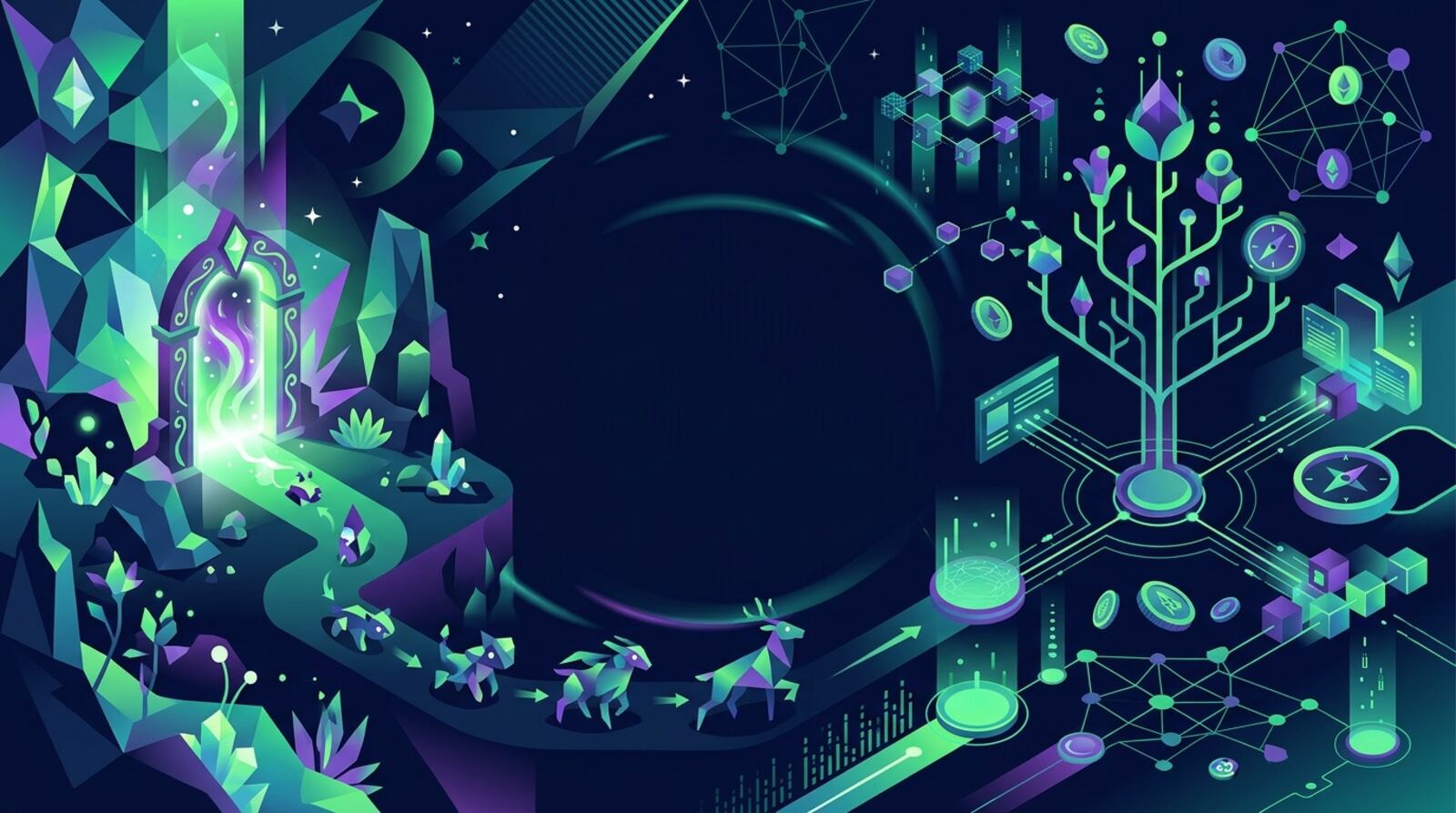
What Is Cradles: Origin of Species?
Cradles: Origin of Species is a blockchain role-playing game set in a prehistoric world. Early descriptions called it a decentralized MMORPG, meaning many players share one persistent online world. The project was developed by DRepublic, and coverage from the early 2020s described an open environment where players explore, meet other players and take part in an ecosystem that changes over time.
The feature that sets it apart is its time and entropy system. Entropy describes the world decaying unless players and the game's systems shape it. Reports say real-world ideas about time and space were blended into the game, so the environment is not fixed. A new player may find the world looks different from how it was described in early articles.
Some early reports called the game an action RPG, while others called it an MMORPG, so the label has varied across sources. Its creatures and items were presented as digital assets that can be traded, which is where the blockchain part comes in. Because features and terms have changed over time, treat older descriptions as background and check the official site for what is available today.
What You Need Before You Start
Before you create an account, check a few basics:
- Device: Early coverage described PC and mobile play. Confirm which platforms and operating systems the official site lists now.
- Wallet: The game uses a blockchain, so you will need a compatible crypto wallet. Check the official documentation for the wallet types it supports.
- Funds: Decide in advance how much you are willing to spend, and keep that money separate from savings and bills.
- Time: MMORPG progression comes from regular sessions rather than one long sitting, so plan a realistic schedule.
- Local rules: Crypto assets are regulated differently across countries and regions. Check the rules where you live before you buy or trade.
- Current status: Articles from 2021 and 2022 describe plans and early features. They do not confirm what is live now. Read the official announcements and the developer's channels before you commit.
If any of these points is unclear, pause and find the answer from an official source. Do not rely on a message from someone who approached you first.
How Do You Set Up an Account and Wallet Safely?
Setting up your account correctly protects you before you play a single turn.
- Use the official source. Open the game only from the official website or the official app store listing. Type the address yourself or use a bookmark you saved from the developer's own channels. Do not use links from ads, direct messages or social posts that promise rewards.
- Create your account. Follow the sign-up steps shown on the official site. Use a unique password and turn on two-factor authentication if the platform offers it.
- Set up a wallet. Install a wallet from its official source. When it creates a recovery phrase, write it down on paper and store it offline.
- Never share your recovery phrase. No legitimate support team will ask for it, and anyone who does is trying to take your funds.
- Connect carefully. When the game asks you to connect a wallet, check the website address and the wallet's prompt. Approve only what you understand.
- Use a separate game wallet. Keep a small balance there for play and move larger amounts only when needed.
If you ever approve a request you did not intend to approve, review your wallet's permissions and revoke any unnecessary access using a trusted tool.
How Does the Time and Entropy System Work?
The time and entropy system is central to the game's design, so it helps to understand the basic idea before you make decisions. Early coverage describes entropy as a force that makes the world decay, while time moves the setting forward. Players are expected to respond to these changes rather than treat the map as permanent.
In practice, this means you should not assume that a location, resource or creature will stay the same from one session to the next. Check in-game notices, patch notes and community updates regularly. When the rules change, your plans may need to change too.
A useful habit is to note what you learned at the end of each session, such as which areas were affected and what resources were scarce. Keep the notes short and factual. Because the exact mechanics can be updated, use the official documentation as your reference for the current rules and avoid relying on older guides as final.
If you are unsure how a mechanic works, ask in official community channels and compare answers with the developer's written explanation.
What Should You Do in Your First Session?
Your first session is about learning rather than earning. Follow these steps:
- Finish the opening tutorial. Tutorials explain movement, combat or creature handling and the basic interface. Do not skip them, even if you have played other games.
- Explore the starting area. Walk through the area and note the places that are easy to reach. Look for points of interest, friendly characters and areas that show a warning.
- Read every quest description. Quest text often explains which systems you need to understand next.
- Watch how the world changes. Return to a place after some time and see what is different. This is the best way to get a feel for the entropy system.
- Join official community channels. Read pinned guides and ask questions in the right channel.
- Hold off on trading. Do not buy or sell digital assets until you understand the market and the fees involved.
Finally, avoid rushing. New players often spend early money on items before they know what they need. A slow start gives you time to learn the systems and decide whether the game suits you.
How Do Creatures, Items and Progression Work?
Progression in Cradles revolves around the creatures and items you gather, use and develop. Early coverage described creatures and items as NFTs, which are digital assets recorded on a blockchain. Ownership of these assets is what allows them to be traded, but it also means their value can rise or fall.
The table below shows a simple way to think about each asset type before you act on it:
| Asset type | What it does in play | What to check first |
|---|---|---|
| Creatures | Form the core of your progress and are the main reason players collect | Whether the game needs you to own one to advance, and how they are traded |
| Items | Support creatures and open options in the world | Whether the item is tradable and where its value is recorded |
| Land or territory | Gives access to certain areas or activities, if available | The current rules for ownership and any fees |
Do not buy a creature or item just because someone says it will be valuable. Learn what it does in the game first. If you do trade, use the official marketplace or trading tools that the developer names, and double-check the contract or listing details before you confirm.
What Does It Cost to Play, and Can You Earn?
Costs in blockchain games come from several places, and each one can change. Before you spend, list every possible cost:
- Game access: Early coverage from 2022 described a subscription model with free access alongside paid options. Check the official pricing page for the current terms.
- Asset purchases: Creatures, items or land bought from other players are priced by the market, not set by the game.
- Network fees: Transactions on a blockchain usually carry a network fee. The amount depends on network conditions and can vary through the day, so check the fee estimate in your wallet before you confirm.
- Marketplace fees: Trading platforms often take a percentage or a flat fee. Read the fee schedule before listing or buying.
Earning is never guaranteed. Rewards in play-to-earn style games depend on your time, skill, market conditions and the game's rules, and they can fall to zero. A sensible approach is to play first, keep a record of what you spend and what you receive, and decide only then whether the economy makes sense for you. Treat any promise of guaranteed income as a warning sign.
How Do You Stay Safe in a Blockchain Game?
Blockchain games attract scams, so build defensive habits from the start:
- Guard your recovery phrase. Never type it into a website, share it in a chat or photograph it.
- Check every address. Scam sites often use slightly misspelled domains. Compare the address with the official one before you connect a wallet.
- Be wary of unsolicited contact. Messages from people claiming to be support staff, moderators or prize organisers are a common tactic. Real support does not ask for your recovery phrase or payment in crypto to fix an account.
- Ignore urgent deadlines. Pressure to act now is a warning sign.
- Read approval prompts. A wallet prompt that asks for unlimited spending access should be questioned.
- Use separate devices or browser profiles if you can. This keeps your game activity away from your main accounts.
- Keep software updated. Update your device, browser and wallet from their official sources.
If you suspect a compromise, move remaining funds to a new wallet you created safely, revoke suspicious permissions, and contact the official support channel using details you verified yourself. Acting quickly and calmly helps limit the damage.
Where Can You Go Next After Cradles?
If you enjoy Cradles for its world and creature-collecting, you may want to compare it with other blockchain games. These titles are very different from one another, so check each one's current status and terms before you start:
- Axie Infinity is a creature battle game on the Ronin blockchain, with its own token.
- Splinterlands is a collectible card game on the Hive blockchain, with NFT cards and a governance token.
- The Lost Glitches is a trading card game with RPG progression and PvP battles, using NFTs on Ethereum.
- The Beacon is a free-to-play fantasy roguelite RPG on Arbitrum, with a season-based reward structure.
- Pixels is a farming and exploration game with a token and guild features.
- Chainers is a browser multiplayer NFT game with farming and missions.
Whichever you choose, follow the same habits you used for Cradles: use official sources, protect your recovery phrase, start small and keep records. Blockchain games can be interesting for players who understand the risks, but no game is a replacement for sound financial decisions.
Frequently asked questions
Is Cradles: Origin of Species free to play?
Early coverage from 2022 described a subscription model that let players join for free while offering paid options. Pricing and what counts as free can change, so check the official website or official app store listing for the current terms before you create an account or pay for anything.
Do I need to buy NFTs to play?
Early descriptions of the game referred to NFTs for creatures and items. Whether you need to own any digital assets to progress depends on the current version, so read the official guide and in-game notices. You should never buy assets under pressure from someone who messages you first.
Can I play Cradles on a phone?
Reports from the early 2020s described support for PC and mobile. Platform support changes with updates, so check the official site for the devices and operating systems it currently lists before downloading anything.
Can I lose money playing a blockchain game?
Yes. Any game that uses real money or crypto assets carries the risk that you lose what you put in, and values of digital assets can fall sharply. Only spend what you can afford to lose, keep the balance in your game wallet small, and check local laws on owning and trading crypto assets where you live. This is a reminder for adults only, and you must be old enough to use these services in your area.
How do I confirm the game is still running in 2026?
Start with the official website, follow its announcements and read the developer's documentation. Articles can be useful background, but they may describe features that have since changed or been removed. If a site tells you the game has closed or launched without official confirmation, treat that as unverified until the developer confirms it.
Mentioned in this guide
dApps in this guide
Axie Infinity is a Ronin-based NFT game where players collect, combine and battle creatures called Axies, with its own AXS token.
Splinterlands is a blockchain collectible card game on Hive where players battle with NFT cards and earn or stake the SPS governance token.
The Lost Glitches is a Web3 trading card game with RPG progression and PvP battles, using ERC721 NFTs on Ethereum for card and character collectors.
The Beacon is a free-to-play fantasy action roguelite RPG with MMO features on Arbitrum, with a BCN token and Season 1 rewards launched in May 2026.
Pixels is a web3 farming and exploration game with a PIXEL token, guilds and ecosystem staking, aimed at gamers who are comfortable with wallets and token risk.
Chainers is a free-to-start browser multiplayer NFT game with farming and missions, running on a Polygon Edge sidechain with a CHU token.
Heroes of Mavia is a mobile Web3 base-building strategy game with an earnable Ruby currency and a MAVIA governance token on Ethereum and Base.
Alien Worlds is a community-built play-to-earn metaverse on WAX where players mine and play to earn TLM tokens and NFTs.
Crypto.com is a centralized crypto exchange and app for buying, trading and spending 400+ coins, with a Visa card, staking and a separate self-custody wallet.
Keep reading
Related guides
Web3 gaming · Explainer
Mobox and ChainZ Arena Season 2: What the User Numbers Show
Mobox is a long-running GameFi platform with several NFT games, and its ChainZ Arena updates have drawn attention. This guide separates what the sources confirm from the 142-user headline and shows how to check any new user figure yourself.
Web3 gaming · Review
Crusaders of Crypto Review: Dungeons, NFTs and Rewards Explained
Crusaders of Crypto is a blockchain roguelike where players run dungeons and may earn NFT and token rewards. This guide explains how the dungeon loop works, what NFTs do inside the game, and what to check before you spend money.
Web3 gaming · Explainer
Nine Chronicles Explained: Open-Source RPG, NCG and Status 2026
Nine Chronicles is a fully open-source, player-run fantasy RPG with its own token and in-game economy. This guide explains how it works, how to get started, and what to check before you spend time or money on it.
Web3 gaming · How-to
How to Play Ember Sword: A Beginner's Guide for 2026
Ember Sword is a free-to-play fantasy MMORPG with a combat system and player-owned assets. This guide covers how to start, how combat and progression work, how to earn rewards, and what to check before spending money.
Web3 gaming · How-to
How to Play ARC8 2: Rules, Practice Mode and Risk Limits
ARC8 2 is a wagering product, so no strategy guarantees a win. This guide explains what public sources show, how to learn the rules in practice mode, and how to keep spending within a limit you set before you start.
Web3 gaming · How-to
How to Play Genopets on Solana: A Beginner's Guide (2026)
Genopets is a free-to-play move-to-earn game on Solana where daily walking powers your digital pet. This guide walks through setup, earning KI, growing your Genopet, and the security and financial risks to check before you commit any money.
Web3 gaming · How-to
How to Play and Win X World Games: A 2026 Beginner's Guide
X World Games pairs a Web3 gaming ecosystem and the XWG token with missions, battles and base-building. This guide covers how to get started, what actually drives rewards, and how to limit your risk.
Web3 gaming · How-to
How to Play Hunters On-Chain: Modes, Hunters and Getting Started
Hunters On-Chain is a blockchain game with several modes, a levelling system for your Hunters and a BGEM reward token. This guide explains how the game works, how to set up safely and how to pick a mode as a new player.